How to Protect Your Teeth From a Future Dental Emergency
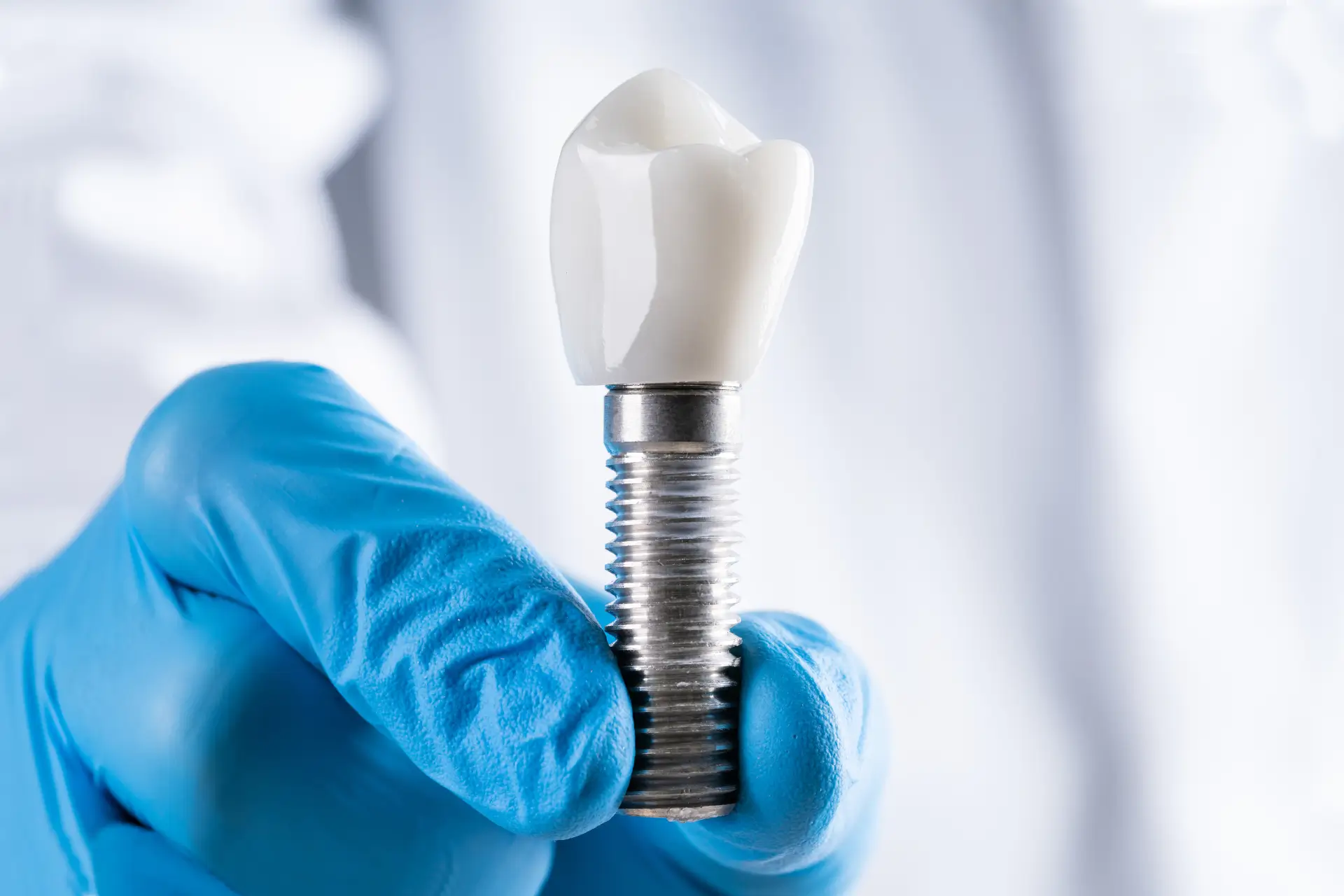
A dental emergency rarely arrives out of nowhere. In many cases, it is the final step in a chain of smaller problems that went unaddressed, or the result of a preventable injury that seemed unlikely until it happened. A cracked molar after biting ice, a front tooth broken during a weekend game, swelling from an infection that started as a dull ache weeks earlier, these are common stories in dental offices because the conditions that lead to them are common too.
The good news is that prevention is not mysterious. It usually comes down to a mix of maintenance, timing, and judgment. Healthy teeth and gums are more resilient under stress. Early treatment stops weak spots from becoming urgent problems. A few practical precautions at home, at work, and during sports can lower your chances of needing emergency care more than most people realize.
What matters most is understanding where risk actually comes from. Teeth fail for reasons. Fillings wear down. Enamel thins. Gums recede. Night grinding creates microscopic damage long before a person notices soreness in the jaw. Habits that seem harmless, like opening packaging with your teeth or chewing pens during work, can create the exact kind of fracture that turns a normal Tuesday into a true Dental Emergency.
The emergencies dentists see most often
When people hear the phrase Dental Emergency, they usually picture dramatic trauma. A fall. A fight. A sports injury. Those cases do happen, but the more common emergencies are often quieter and more predictable.
Severe toothache is near the top of the list. Pain that wakes someone at night, lingers after hot or cold, or becomes sharp with biting often points to decay, a dying nerve, a cracked tooth, or an abscess. Swelling in the gums or face moves the problem into more urgent territory because infection can spread beyond the tooth itself.
Broken teeth are another frequent issue, especially around old fillings. A tooth that has been restored several times can become structurally weaker over the years. One hard bite on an unpopped popcorn kernel or a crust of bread can be enough to split off a cusp. People are often surprised by this because the tooth may have felt fine the day before.
Knocked-out teeth are less common than toothaches, but when they happen, minutes matter. The best outcomes depend on quick action and proper handling. The same is true for teeth that are pushed out of position after a blow to the face. Not every practice handles traumatic injuries the same way, so part of prevention is knowing ahead of time where urgent help is available.
Lost crowns, dislodged fillings, bleeding that does not stop, and jaw injuries round out the list. Some of these sound minor until they are not. A crown that falls off a front tooth before an important event may feel cosmetic, but a crown lost from a root canal tooth can leave fragile structure exposed to fracture.
Strong teeth are not just about brushing
People often reduce prevention to oral hygiene, and hygiene does matter. But a person can brush twice a day and still be at high risk for emergency treatment if other factors are working against them.
Saliva is a good example. Dry mouth changes the whole environment of the mouth. Teeth lose the buffering effect that helps neutralize acid and wash away food debris. Cavities can advance quickly, especially around the edges of existing fillings and near the gumline. Dry mouth is common in people taking medications for blood pressure, depression, allergies, anxiety, or sleep. It is also common among people who breathe through the mouth at night.
Diet matters in a way that is often misunderstood. Sugar plays a role, but frequency is just as important as quantity. A person who slowly sips soda, sweet coffee, sports drinks, or even fruit juice throughout the day keeps teeth under acid attack for hours. That repeated exposure softens enamel and feeds the bacteria that drive decay. Teeth do not just need less sugar, they need recovery time between exposures.
Acid itself deserves more attention. Sparkling drinks, citrus, vinegar-heavy foods, energy drinks, and reflux disease can all erode enamel over time. Erosion is not the same as a cavity, but it leaves teeth thinner, more sensitive, and more likely to chip. I have seen people with careful brushing habits still end up with fractured edges and widespread sensitivity because they were bathing their teeth in acid without realizing it.
The quiet damage caused by grinding and clenching
One of the most underappreciated causes of future emergency care is bruxism, the habit of grinding or clenching teeth. Some people know they do it because they wake with jaw soreness or headaches. Others find out only after their dentist points out wear facets, cracked enamel, or chipped restorations.
Grinding is destructive because it creates force in the wrong direction and often for long periods. Teeth are built to handle vertical chewing pressure, not prolonged side-to-side friction or constant clenching during stress. Over time, that pressure can fracture cusps, loosen fillings, and inflame the ligament around a tooth enough to mimic a severe toothache.
A well-made night guard can make a significant difference here. It does not stop the habit completely, but it redistributes force and protects tooth surfaces. Store-bought versions can be better than nothing for some people, Dental Emergency but they are bulkier and less precise. Patients who grind heavily usually do better with a custom appliance because comfort affects whether they actually wear it.
Stress management also has a place in prevention. That may sound broad, but the link is real. Work deadlines, poor sleep, stimulant use, and anxiety all tend to increase clenching. A mouthguard helps with the mechanical side of the problem. Better sleep routines and awareness of daytime jaw tension help with the behavioral side.
Your old dental work has a lifespan
Crowns, fillings, bonding, bridges, and root canal treated teeth do not last forever. Many hold up for years, even decades, but none of them are permanent in the strict sense. Materials wear, margins leak, cement weakens, and the tooth under the restoration can develop new decay.
This is one reason routine dental visits matter even for people who feel fine. A failing filling often does not hurt until the damage is extensive. A crown can look intact in the mirror while decay develops underneath. Tiny cracks seen early may be treatable with a crown before the tooth splits below the gumline and becomes much harder to save.
There is also a false sense of security around root canal treated teeth. Once pain is gone, people tend to assume the problem is finished. In reality, these teeth are more brittle, especially if they lost a lot of structure before treatment. If a tooth that needed a crown after a root canal never received one, it is at real risk for fracture. That fracture may happen while chewing something ordinary.
A useful question to ask your dentist is not just, “Do I have cavities?” but, “Which teeth are structurally vulnerable?” That shifts the conversation from decay alone to overall risk. Sometimes the next emergency is not the tooth with active pain. It is the heavily restored molar that has been carrying too much load for years.
The role of gum health in avoiding urgent care
People usually associate gum disease with bleeding or bad breath, not emergencies. Yet neglected gum problems can lead directly to urgent visits. An abscess in the gum or around a tooth can cause sudden swelling, tenderness, drainage, and difficulty chewing. Advanced periodontal disease can also loosen teeth enough that a minor bite becomes traumatic.
Healthy gums do more than look pink and firm. They stabilize teeth and protect the roots. Once gums recede, exposed root surfaces become more vulnerable to decay because root dentin is softer than enamel. Those root cavities can spread quickly and sometimes stay hidden until they are deep enough to threaten the nerve.
Bleeding gums should not be dismissed as normal. Occasional irritation happens, but persistent bleeding usually means inflammation. Treating it early is far easier than dealing with loose teeth, painful deep cleanings, or infection later. Prevention here is simple but not always easy: consistent brushing at the gumline, daily cleaning between teeth, and timely professional care when bleeding persists.
Sports, hobbies, and the accidents people do not plan for
Some emergencies truly are accidental, but even those can often be softened or prevented. Contact sports obviously raise the risk of oral injury, yet many dental injuries occur during activities that people do not think of as dangerous. Basketball, skateboarding, mountain biking, pickleball, and even home improvement projects send patients in with broken front teeth every year.
A custom sports mouthguard is one of the best investments for anyone with regular impact risk. It fits better, stays in place, and interferes less with breathing or speaking than generic versions from a sporting goods store. That better fit matters because athletes are more likely to wear it consistently. For children and teenagers in particular, a mouthguard can be the difference between a close call and a lifetime of restorative work.
Protective habits extend beyond sports. Wearing a helmet reduces the chance of facial trauma during cycling and similar activities. Using proper tools instead of teeth for opening packages sounds obvious, but dentists know how often “just this once” ends with a chipped incisor. Even kitchen habits matter. Chewing ice, biting olive pits, cracking nuts with teeth, and tearing tape are all small gambles with poor odds over time.
Food choices that lower risk without becoming unrealistic
No one needs a perfect diet to protect their teeth. What helps most is reducing repeated stress on enamel and controlling the habits that create cracks and cavities.
The problem foods are not always the sweetest ones. Sticky snacks can cling around grooves and fillings. Hard foods can fracture weakened teeth. Acidic drinks can soften enamel enough that normal brushing right afterward contributes to wear. This is where judgment matters. A healthy-seeming snack like dried fruit can be surprisingly rough on teeth because it is sticky and concentrated. A lemon water habit can be harsher than people assume if it continues all day.
A more protective pattern looks like this:
- Keep sugary or acidic drinks to mealtimes rather than sipping them for hours.
- Choose snacks that clear the mouth more easily, such as cheese, nuts, yogurt, or crisp vegetables when appropriate.
- Avoid chewing ice, popcorn kernels, hard candy, and similar fracture triggers if you have crowns, large fillings, or cracked teeth.
- Rinse with plain water after acidic foods or drinks, then wait a bit before brushing.
- Ask about fluoride if you have dry mouth, frequent cavities, or exposed roots.
These are not restrictive rules for every person in every situation. Someone with multiple restorations and a history of breakage should be more cautious with hard foods than someone with untouched, healthy teeth. Someone with erosion may need a more detailed conversation about acid exposure than someone whose main problem is plaque retention. Prevention works best when it is tailored.
Why timing matters more than toughness
A common pattern in emergency dentistry is delay. People feel a warning sign, assume it will settle, and keep going until the pain becomes impossible to ignore. This is understandable. Dental symptoms can be intermittent. A cracked tooth may hurt only on release when biting. An infected tooth may quiet down temporarily after pressure drains. A loose crown may go in and out of place for days before it comes off completely.
The trouble is that delay shrinks your options. A small cavity can become a root canal. A crack that might have been contained by a crown can deepen below the gum. Gum swelling can become facial swelling. Once infection spreads, treatment becomes more urgent, more expensive, and less comfortable.
Pain is not the only sign that deserves prompt attention. Sensitivity that is new and sharp, food packing between teeth, a rough edge you can feel with your tongue, a crown that feels mobile, bleeding that persists, and swelling or a pimple-like bump on the gums are all worth an earlier appointment. These problems may not feel dramatic, but they often represent a process that is still manageable if caught soon.
Build a prevention plan around your actual risk
The best prevention plan is not generic. It reflects your dental history, anatomy, habits, and age. A person with deep grooves in the molars, frequent cavities, and dry mouth needs a different strategy than someone whose main issue is clenching. A teenager in contact sports needs a different strategy than an older adult with gum recession and several crowns.
That is why home care alone is not enough. Professional evaluation identifies the weak points you cannot reliably see or feel yourself. Bite patterns, hairline cracks, failing restorations, recession, and early infection often show up before symptoms do.
A practical prevention plan usually includes the following elements:
- Regular exams and cleanings at an interval appropriate for your risk, not just a one-size schedule.
- Daily fluoride toothpaste use, with added fluoride measures if your dentist recommends them.
- Interdental cleaning that you will actually maintain, whether floss, picks, or another tool suited to your mouth.
- A night guard or sports mouthguard when indicated.
- Prompt evaluation of any new pain, swelling, mobility, or breakage.
This does not need to become elaborate. The goal is simply to reduce the odds of surprise. In practice, the people who avoid emergencies are often not the people doing everything perfectly. They are the ones who know their weak spots and respond early.
What to keep at home in case trouble starts
Even the best prevention cannot eliminate every risk. Having a few basic supplies at home can help you manage a problem calmly until you are seen. This matters because the first hour of an injury or sudden tooth issue is often when people make preventable mistakes.
A small dental first-aid kit can include orthodontic wax for a sharp edge, temporary dental cement from a pharmacy for a lost crown, gauze, a clean container with a lid, and the phone numbers for your general dentist and an after-hours provider. If a tooth is knocked out, handling it by the crown rather than the root and keeping it moist can make a major difference. Milk is often a reasonable temporary transport medium when a tooth preservation kit is not available.
Pain control also deserves planning. Know which over-the-counter medication you can safely take based on your medical history, and follow label instructions. What you should not do is place aspirin directly on the gum or tooth. People still try this, and it can burn the soft tissue without fixing the underlying problem.
Children, older adults, and people with special considerations
Prevention changes across the lifespan. Children are vulnerable to trauma, cavities in deep molar grooves, and sports injuries. Sealants can help protect certain chewing surfaces, and coaching children not to run with objects in their mouths is more useful than it sounds. Many pediatric emergencies start with a fall and a toothbrush, pencil, or toy in hand.
Teenagers and young adults often face a different mix of risks: orthodontic appliances, sports, energy drinks, and inconsistent home care. Retainers and braces add places for plaque to collect, and a rushed routine can quickly lead to swollen gums or demineralized enamel. For this group, consistency usually matters more than perfection.
Older adults may deal with recession, root decay, dry mouth from medications, worn restorations, and more fragile teeth overall. A tooth that would have tolerated years of neglect at age twenty-five may not at age seventy. Prevention in later years often means more vigilance about hydration, fluoride, and maintenance of existing dental work.
People with certain medical conditions need additional care. Diabetes, autoimmune disorders, reflux, eating disorders, and therapies that affect saliva or bone can all raise the stakes. The right preventive strategy is still achievable, but it should be coordinated with both dental and medical guidance.
The financial side of prevention is usually kinder than emergency care
One reason people postpone treatment is cost. That is real, and it deserves acknowledgment. Preventive visits, fluoride, mouthguards, and crowns are not free. But untreated problems usually become more expensive, not less. A simple filling is cheaper than a root canal and crown. A crown placed before a crack spreads is cheaper than extraction, bone grafting, and replacement. Time away from work, weekend urgent visits, and severe pain all carry costs too.
This does not mean every suspicious tooth should be treated aggressively. Good dentistry balances prudence with restraint. Some cracks can be watched. Some worn restorations can function safely for years with monitoring. The point is not to overspend out of fear. It is to make informed decisions while choices are still available.
If budget is tight, ask your dental office to prioritize findings by urgency and risk. That conversation is often more productive than avoiding care entirely. A thoughtful dentist can usually separate what truly needs attention now from what can be planned later.
The habits that protect teeth are usually small and repeatable
People tend to imagine prevention as a major reset, but dental health responds well to modest, repeated actions. Better timing of acidic drinks. A night guard worn consistently. Earlier follow-up when something feels off. A mouthguard kept in the gym bag instead of forgotten in a drawer. These are not dramatic changes, but they are the ones that prevent many emergencies.
The broader principle is simple: protect tooth structure before it is compromised, and respond to warning signs before they become pain and swelling. Teeth often give notice. The trick is respecting the notice while the fix is still straightforward.
A future Dental Emergency may never be fully predictable, but it is often preventable. The more honestly you assess your own habits, restorations, bite forces, and risk factors, the more likely you are to keep routine care routine. That is the real goal, not just avoiding one bad day, but keeping small dental problems from becoming life-disrupting ones at all.
Vitality Dental
Address: 1220 Coit Rd #106, Plano, TX 75075
Phone number: +19726454100
FAQ About Dental Emergency
What can the ER do for a tooth?
An emergency room (ER) can manage pain and treat severe infections with medication, but it cannot fix or pull a tooth.
What is considered a dental emergency?
A dental emergency is any oral health problem that involves severe pain, uncontrollable bleeding, or an infection that threatens your health or requires immediate care to save a tooth.
Is there a 24-hour dental service in Plano, TX?
There is no physical dental clinic in Plano, Texas, that stays open with walk-in staff 24 hours a day, but several offices offer 24/7 phone support, late-night hours, or same-day emergency care.