How an Emergency Dentist in Plano, TX Can Restore Comfort and Confidence
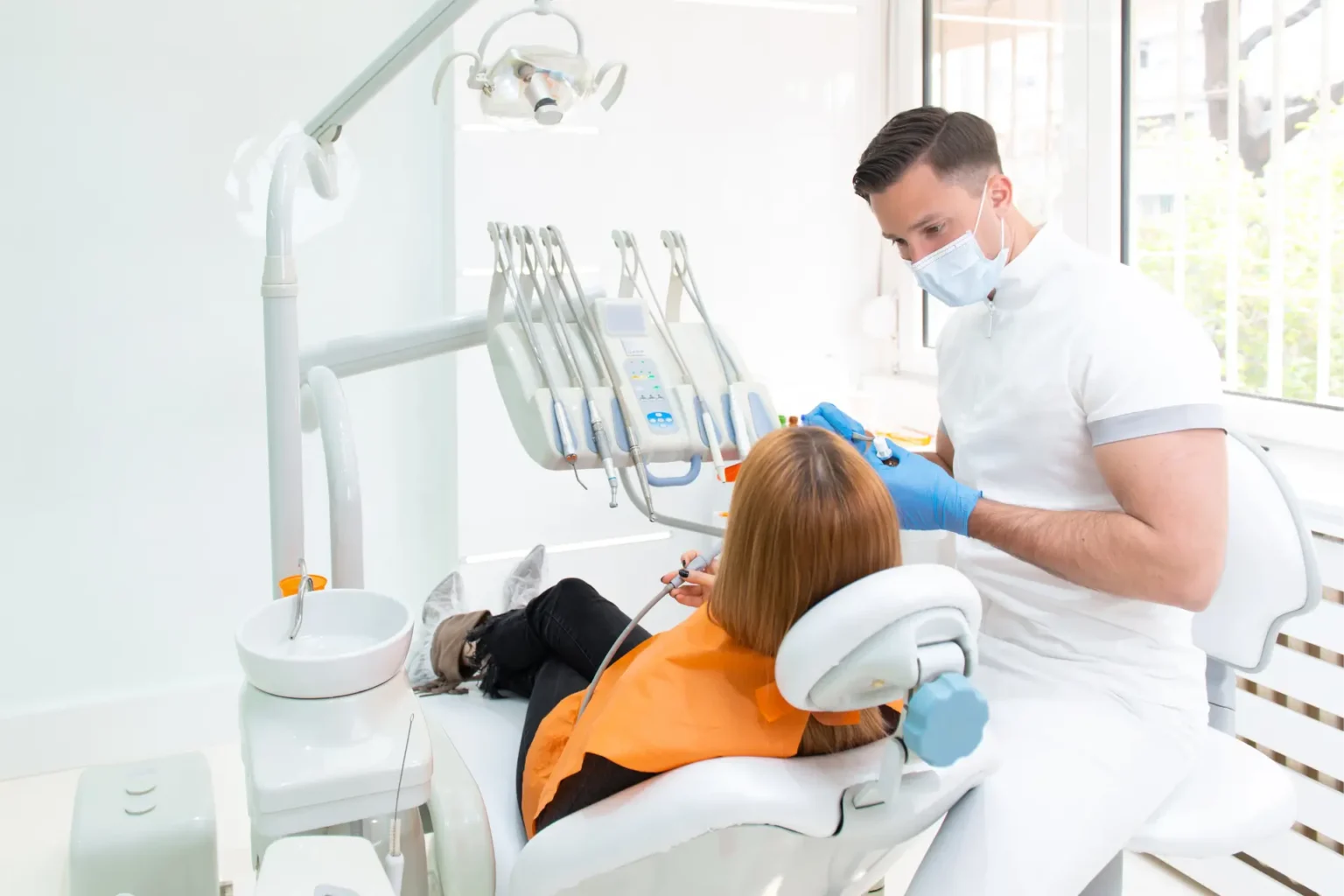
A dental emergency has a way of shrinking your world fast. A cracked molar at lunch, a throbbing tooth that wakes you at 2 a.m., a crown that pops off right before a presentation, a child who takes an elbow to the mouth at practice, each situation turns ordinary plans into damage control. Pain takes over your attention. Eating becomes complicated. Speaking feels awkward. Even smiling can start to feel risky.
That is where an emergency dentist in Plano, TX becomes far more than a convenient appointment. In the best cases, emergency care restores comfort quickly, stops a problem from getting worse, and gives patients back a sense of control. There is also an emotional side to urgent dental treatment that people do not always talk about. When your mouth hurts or your front teeth are affected, your confidence can drop just as sharply as your comfort. Prompt, skillful care often repairs both.
Why dental emergencies feel so disruptive
People can tolerate a lot of minor physical discomfort and keep moving through the day. Tooth pain is different. The nerves in and around the teeth are dense, and inflammation inside a tooth has nowhere to expand. That is one reason a small cavity can seem manageable for months, then suddenly become impossible to ignore. A problem that seemed cosmetic on Friday can become severe by Sunday.
There is also the visibility factor. If you chip a front tooth, lose a veneer, or swell along the jawline, you are not just dealing with discomfort. You are thinking about meetings, family photos, dinners out, and whether people can tell something is wrong. Patients often come in apologizing for looking disheveled or panicked. They do not need to apologize. Dental emergencies are unsettling, and most people are not prepared for how quickly they can affect speech, appearance, sleep, and appetite.
In a place like Plano, where families juggle work, school, sports, and travel, the timing is rarely good. The practical value of an experienced emergency dentist is not just technical skill. It is the ability to assess the situation quickly, sort out what is urgent, and provide a path forward that makes sense the same day.
What actually counts as a dental emergency
Not every dental issue requires immediate treatment, but plenty do. The line is usually based on pain, infection risk, bleeding, trauma, and whether the problem is getting worse hour by hour.
A knocked-out permanent tooth is a true emergency because time matters. The same goes for facial swelling, uncontrolled bleeding, severe pain that does not respond to medication, and trauma that affects the teeth, jaw, or soft tissues. A cracked tooth can range from annoying to serious depending on depth and symptoms. A lost filling or crown might seem minor, but if the tooth underneath is exposed and sensitive, waiting can lead to bigger trouble.
One of the most common mistakes people make is assuming they should wait until pain becomes unbearable. In practice, earlier treatment usually means simpler treatment. A tooth that could have been stabilized with a filling or crown sometimes ends up needing root canal therapy or extraction after days of delay. That is not fearmongering, it is just how dental disease behaves once bacteria reach deeper structures.
The first goal is relief
When patients picture emergency dentistry, they often imagine a dramatic, all-at-once repair. Sometimes that happens. More often, the first visit is about stabilization and relief. If the pain is severe, the dentist’s immediate job is to locate the source, reduce discomfort, and stop active damage. That might mean draining an abscess, smoothing a broken edge that is cutting the tongue, recementing a crown, placing a temporary restoration, adjusting a bite, or starting treatment for infection.
This initial phase matters more than people realize. Once pain settles down, good decisions become easier. A patient who arrived anxious and exhausted can listen, ask questions, and weigh options. The confidence piece starts here. There is a visible shift when someone realizes the problem is treatable and that the worst part, the uncertainty, is over.
In many offices, emergency visits begin with focused imaging and an exam rather than a long routine workup. That approach respects the moment. If someone walks in holding the side of their face, they do not want a lecture about flossing before the team addresses the obvious crisis. Good emergency care is direct, calm, and organized.
Common emergencies an emergency dentist in Plano, TX treats
The phrase “dental emergency” covers more ground than people think. Some cases are dramatic, some are deceptively routine, but all can interfere with daily life in a hurry.
- severe toothache or pressure that does not let up
- chipped, cracked, or broken teeth
- knocked-out or loosened permanent teeth
- lost fillings, crowns, bridges, or veneers
- swelling, abscesses, or soft-tissue injuries
Those categories sound simple on paper, but each one contains important variations. A crack that runs through enamel may be repairable with a bonding material or crown. A fracture that extends below the gumline may require more complex treatment. Swelling may stem from a localized gum infection or from an infection deep in a tooth. A dislodged tooth after a fall could involve root damage, not just repositioning. This is why triage matters. What looks small from the outside can be urgent on the inside.
Timing can change the outcome
Dentistry has many shades of gray, but trauma often rewards speed. If a permanent tooth is knocked out and kept moist, reimplantation may be possible, especially if treatment happens Emergency dentist Plano, TX quickly. If a tooth is pushed out of position, splinting and monitoring can sometimes preserve it. If infection is causing swelling, early intervention can prevent it from spreading and causing more significant medical concerns.
Even when the final restoration cannot be completed immediately, early care protects options. Take a cracked back tooth as an example. If a dentist can stabilize it before the fracture deepens, the tooth may be saved with a crown. If someone chews on it for another week because the pain comes and goes, the crack can propagate. That shift is often what separates a repair from an extraction.
There is also a financial reality here. Emergency care can feel like an unplanned expense, but postponing treatment often increases total cost. A small repair done quickly is usually less involved than a larger restoration after infection, structural breakdown, or tooth loss.
Comfort is only half the story
People seek urgent dental care for pain, but many leave most grateful for something else: the return of normalcy. It is hard to overstate how much a damaged or painful tooth can affect self-presentation. Front tooth injuries are obvious, but back teeth create confidence issues too. Patients become hesitant to laugh, avoid certain foods in social settings, and speak differently to avoid exposing a broken area.
A well-handled emergency appointment can reverse that spiral. When a broken front tooth is smoothed and rebuilt, or a missing crown is replaced, the patient often relaxes before they even leave the chair. Their face softens. Their speech changes. They stop covering their mouth when they talk. Those details matter because dentistry is not only about function. It is also about helping people feel comfortable being seen.
I have seen professionals walk in before work meetings with a chipped incisor and palpable embarrassment, then leave an hour later looking relieved enough to rejoin the day without a second thought. I have seen parents more upset about a teenager’s broken smile than the teen was, until the repair was done and everyone could breathe again. Emergency dentistry often restores confidence in very visible, immediate ways.
What to do before you get to the office
The minutes before treatment matter, especially in trauma cases. A few practical steps can reduce pain and improve the odds of a better outcome.
- call the dental office immediately and describe the problem clearly
- if a tooth has been knocked out, hold it by the crown, not the root, and keep it moist in milk or saliva
- use a cold compress on the outside of the face for swelling or trauma
- avoid chewing on the affected side and skip very hot, cold, or sugary foods
- if bleeding is present, apply gentle pressure with clean gauze
These steps are not a substitute for care, but they can buy time. One caution worth mentioning: aspirin should not be placed directly on the gums or tooth. People still try this home remedy, and it can irritate soft tissue without solving the underlying problem. Over-the-counter pain relievers may help, but the right choice depends on your health history, so it is wise to follow label directions and, when possible, ask the office what they recommend.
How emergency dentists make judgment calls
The public often sees dentistry as a set of standard procedures, but emergencies are rarely that tidy. Good emergency care requires judgment, not just speed. A dentist has to decide what needs immediate treatment, what can safely wait, and how to balance pain relief with long-term success.
For example, a patient may arrive with both swelling and a badly broken tooth. The urgent priority could be controlling infection first, even if the tooth’s cosmetic repair has to happen in stages. Another patient may want a cracked tooth removed the same day because they are frightened, but a careful exam may show the tooth is restorable and worth saving. On the other hand, a tooth with extensive decay below the gumline may not benefit from heroic treatment, and an honest discussion about extraction and replacement may be the wiser path.
That kind of guidance is one reason finding a trustworthy emergency dentist in Plano, TX matters. The best care is not only fast. It is measured. It explains trade-offs. It does not oversell a perfect fix when a temporary stabilization is the right first step, and it does not underestimate something serious just because symptoms started recently.
The role of technology, without overcomplicating things
Modern emergency dental care benefits from Emergency dentist Plano, TX digital X-rays, intraoral imaging, and efficient materials, but the technology only helps if it serves a clear clinical purpose. Digital imaging can show infection, root fractures, bone changes, or hidden decay quickly. Tooth-colored materials can restore a visible chip in one visit. Better anesthetic techniques can make urgent treatment far more comfortable than many patients expect.
Still, the essentials remain refreshingly straightforward. The dentist needs to identify the source of pain or damage, stop the immediate problem, and create a treatment plan that fits the patient’s condition, schedule, and budget. Fancy equipment does not replace a careful exam, a good set of hands, or clear communication.
Patients are often pleasantly surprised that same-day relief is possible even when final treatment takes longer. A temporary crown, protective bonding, bite adjustment, or pulpal treatment can make a dramatic difference within hours. That is often enough to let someone sleep, eat soft foods, return to work, or make decisions without the haze of constant pain.
Children, teens, and sports-related injuries
Plano families know how often dental emergencies happen outside regular office hours. Playground falls, basketball collisions, baseball line drives, skateboard spills, and poolside slips all have a way of choosing inconvenient moments. Pediatric and teen dental emergencies deserve prompt attention because young teeth and jaws are still developing, and trauma can affect growth as well as appearance.
Parents are often unsure whether a baby tooth injury is urgent if the tooth will eventually fall out anyway. It can be. Trauma to a primary tooth may affect the surrounding gum tissue or the developing permanent tooth underneath. The right next step depends on the child’s age, the degree of mobility, bleeding, pain, and whether the tooth was displaced.
Teenagers bring a different challenge. They are often more concerned with how they look than how much they hurt, and they may minimize symptoms after a sports injury. A small chip can hide deeper damage, especially if the tooth becomes sensitive later or starts to darken. This is one reason mouthguards are such a worthwhile investment for contact and high-impact sports. One custom device can prevent thousands of dollars in treatment and a lot of avoidable stress.
When a tooth cannot be saved
Not every emergency ends with saving the natural tooth, and it is better to say that plainly than to dance around it. Sometimes the fracture is too deep, the infection too advanced, or the remaining structure too weak. In those cases, removing the tooth may be the healthiest and most predictable option.
That does not mean the result has to be discouraging. Emergency dentists often help patients move from crisis to reconstruction in a way that feels manageable. After extraction, the focus shifts to preserving bone, protecting nearby teeth, and discussing replacement options such as a bridge, partial denture, or implant planning. The confidence piece still matters here. Losing a tooth can feel personal, even when it is medically necessary. Thoughtful communication makes a difference.
Patients usually handle difficult news better when they understand why a recommendation is being made. If the dentist explains what is restorable, what is not, and how the next phase will work, the situation becomes less frightening. Clarity reduces panic.
The practical side of choosing the right office
When people search for an emergency dentist in Plano, TX, they are usually doing it under stress. That makes simple logistics more important than they seem during a routine checkup. Availability matters, of course, but so do responsiveness, communication, and willingness to explain fees and treatment timing clearly.
A well-run emergency visit does not feel rushed even when it moves quickly. The front desk should know how to triage. The clinical team should be able to distinguish between something that can wait until tomorrow and something that should be seen right away. Pain management should be discussed directly, not treated as an afterthought. If the office cannot complete definitive treatment that day, the patient should leave understanding what was done, what to expect next, and what warning signs would require more urgent follow-up.
That kind of process builds trust. And trust is a major part of restoring confidence. Many adults carry old dental anxieties from difficult experiences years ago. An emergency can intensify that fear. A calm team, clear explanations, and competent treatment can reset the relationship entirely.
Recovery and what happens after the emergency visit
Once the immediate problem is addressed, patients often assume the crisis is over. Sometimes it is. Often, there is a second phase. A temporary repair may need to be replaced with a permanent one. A tooth that suffered trauma may need monitoring over weeks or months. Nerve symptoms can evolve. Gum tissue may need time to settle before final cosmetic work is completed.
This follow-up period is where realistic expectations help. A tooth that has been cracked, displaced, or infected has been through a biological insult. Healing takes time. The final shade, contour, or long-term prognosis may not be obvious on day one. A careful dentist will avoid making guarantees too early, especially in trauma cases. That caution is not a lack of confidence. It is professional honesty.
Patients can do a lot to support recovery by following aftercare instructions closely, avoiding hard chewing on a recently treated tooth, taking any prescribed medication exactly as directed, and keeping follow-up appointments even if symptoms improve. Pain fading does not always mean the issue is fully resolved.
Restoring more than a smile
Urgent dental care sits at an unusual intersection of medicine, function, and self-image. When people are in pain, they need relief. When they cannot eat comfortably, they need function back. When a visible tooth is damaged, they need reassurance that they will not have to hide their face or explain themselves all week. The best emergency dental care responds to all three needs.
That is why the right emergency dentist in Plano, TX can have such an outsized impact. The visit is not just about drilling, bonding, numbing, or prescribing. It is about helping someone move from alarm to steadiness. It is about taking a problem that feels immediate and personal, then resolving it with skill and good judgment.
Most dental emergencies start the same way, with disruption, pain, and uncertainty. The right care changes the ending. Comfort returns first. Confidence often follows close behind.
Vitality Dental
1220 Coit Rd # 106, Plano, TX 75075, United States
+1 972-645-4100
FAQ About Emergency dentist Plano, TX
Will the ER do anything for dental pain?
An emergency department can assess urgent symptoms and provide medical stabilization. Definitive treatment of the tooth usually requires a dentist. Seek emergency medical care for breathing or swallowing difficulty, uncontrolled bleeding, or serious facial injury.
What to do if I have a dental emergency in the middle of the night?
Contact a dentist or after-hours dental service promptly for guidance. If a permanent tooth is knocked out, keep it moist in milk while seeking immediate care. If symptoms suggest a medical emergency, go to an emergency department.
What qualifies as a dental emergency?
A knocked-out permanent tooth, severe or persistent tooth pain, a significant dental injury, or swelling may require urgent dental assessment. Call a dentist to describe the symptoms and determine timing. Uncontrolled bleeding or difficulty breathing or swallowing requires emergency medical care.