Emergency Dentist Plano, TX for Bleeding Gums and Oral Injuries
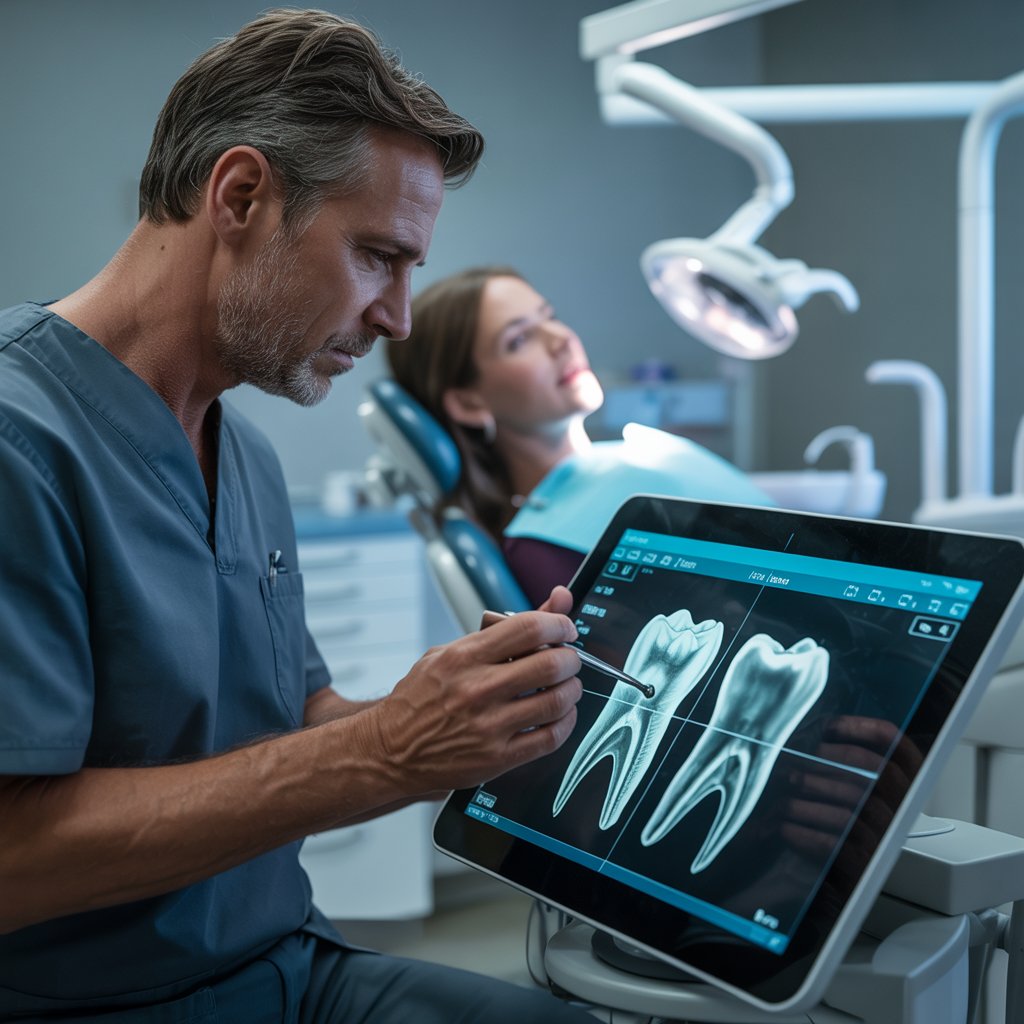
A bleeding mouth can look dramatic fast. Even a small cut inside the cheek mixes with saliva and seems worse than it is, while gum bleeding that starts as a nuisance can point to an infection that should not wait another week. Oral injuries sit in the same category. Some are obvious emergencies, like a knocked-out tooth after a fall at Oak Point Park or a cracked molar from a weekend basketball game. Others feel borderline at first, then become far more painful by evening.
That is where an emergency dentist in Plano, TX becomes important. Not every dental problem belongs in a hospital emergency room, but many need same-day or urgent dental attention to stop bleeding, protect a tooth, control Emergency dentist Plano, TX vitalitydentaldfw.com swelling, and lower the risk of infection. The challenge for patients is that pain and anxiety tend to blur judgment. People second-guess themselves. They wonder whether bleeding gums can wait, whether a chipped tooth matters if it does not hurt much yet, or whether a child’s mouth injury needs immediate care or just ice and observation.
In real practice, timing matters. The first hour after an injury can affect whether a tooth is saved. The first day of gum swelling and bleeding can determine whether a localized infection stays manageable or spreads into a much more serious problem. Knowing what is urgent, what can be stabilized at home, and what needs a dentist right away helps you act calmly.
When bleeding gums are more than a hygiene issue
Plenty of people notice a little pink in the sink while brushing and assume they just flossed too hard. Sometimes that is true. Often, though, recurring gum bleeding is the mouth’s version of an early warning light. Healthy gums do not usually bleed from normal brushing or flossing. When they do, inflammation is often already underway.
The most common reason is gingivitis, which is irritation caused by plaque buildup along the gumline. Left alone, gingivitis can progress into periodontitis, where the infection reaches deeper supporting tissues. At that stage, the problem is no longer just bleeding. Patients may notice persistent bad breath, tenderness, gum recession, tooth mobility, or a strange metallic taste. In some cases, bleeding begins after biting into something firm or during sleep, which catches people off guard because the trigger seems minor.
Emergency dental care becomes especially important when gum bleeding is paired with swelling, pus, throbbing pain, fever, facial tenderness, or difficulty chewing. Those details suggest more than routine inflammation. They can indicate a periodontal abscess or another active infection that needs prompt treatment. I have seen patients wait through a weekend thinking they merely irritated their gums, only to show up Monday with visible facial swelling and pain severe enough to interrupt sleep. At that point, treatment usually becomes more involved.
There is another group of patients worth mentioning, those on blood thinners or with medical conditions that affect clotting. For them, even a small oral wound may bleed longer than expected. If you fall into that category and cannot get gum bleeding to settle with pressure, you should not assume it will resolve on its own.
Oral injuries that deserve same-day attention
Trauma to the mouth is common because teeth and soft tissues take the hit in sports, slips, car accidents, and everyday mishaps. A coffee mug catches the front teeth, a toddler head-butts a parent’s mouth, or someone bites down on a hard olive pit and suddenly feels a sharp fracture line. What matters is not just how the injury happened, but what happened to the tooth, gums, lips, tongue, and jaw.
A tooth that is knocked out completely is one of the clearest dental emergencies. Time is critical because the best chance of saving the tooth comes when it is reimplanted quickly, ideally within 30 to 60 minutes. A loose or displaced tooth also needs urgent care. It may still be viable, but it often requires splinting and close follow-up.
Cracked teeth create a different kind of urgency. Some cracks stay superficial and mainly affect appearance. Others run deep enough to expose the nerve or compromise the root. Patients sometimes describe a crack as “not that bad” because the tooth still looks mostly intact. Then they take a sip of cold water or bite down on the opposite side and feel a sharp, electric pain. That pattern raises concern for deeper structural damage.
Soft tissue injuries can be deceptive too. The lips, tongue, cheeks, and gums are rich in blood vessels. They often bleed heavily at first, yet many minor cuts heal well with basic care. The question is whether the bleeding stops, whether the edges of the wound gape open, and whether there may be foreign material or a tooth fragment embedded in the tissue. Deep lacerations, injuries that continue bleeding after pressure, or puncture wounds deserve prompt evaluation.
Jaw pain after trauma deserves respect. If the bite suddenly feels off, opening the mouth is difficult, or there is numbness in the chin or lip, the concern shifts beyond a simple dental injury. That kind of case may require imaging and coordinated medical care.
What you can do in the first few minutes
The best first aid is simple and fast. Panic leads people to make avoidable mistakes, such as scrubbing a knocked-out tooth, applying aspirin directly onto gum tissue, or ignoring a broken tooth because the pain briefly fades.
If you are dealing with a dental emergency before you can reach an emergency dentist in Plano, TX, focus on the basics:
- Control bleeding with clean gauze or a clean cloth and firm pressure for 10 to 15 minutes without checking constantly.
- Use a cold compress on the outside of the face in short intervals to limit swelling and ease discomfort.
- If a tooth is knocked out, hold it by the crown, not the root, rinse it gently if dirty, and keep it moist in milk or saliva.
- Rinse the mouth with mild salt water if there is debris, but avoid vigorous swishing that can restart bleeding.
- Seek urgent dental care right away if a tooth is loose, broken deeply, avulsed, or if swelling, severe pain, or prolonged bleeding is present.
Those steps buy time, but they do not replace treatment. A mouth injury can seem quieter after the first hour, then worsen as inflammation builds or the anesthetic effect of adrenaline wears off. That is one reason same-day calls matter.
The difference between a dental office and the emergency room
Patients often ask where they should go first. The answer depends on what is happening. A dentist is usually the right first stop for most tooth fractures, lost fillings with severe pain, dislodged crowns, localized gum abscesses, and oral bleeding that appears to come from the gums or a tooth area. Dentists have the tools to examine the tooth, take dental X-rays, stabilize it, manage pain at the source, and plan definitive repair.
A hospital emergency room is more appropriate when the problem goes beyond the mouth itself or becomes medically unstable. Significant facial trauma, uncontrolled bleeding, trouble breathing or swallowing, suspected broken jaw, loss of consciousness, or rapidly spreading swelling are not standard office matters. Those situations can require imaging, IV medications, or broader trauma care.
The confusion happens in the middle. Someone wakes with a swollen gum and cheek, feels miserable, and heads to the ER, only to learn that the hospital can help with temporary pain control and rule out dangerous spread, but not complete the dental treatment that removes the cause. On the other hand, a patient with major swelling under the jaw may try to “wait for the dentist” when the better move is immediate medical evaluation because airway risk changes the picture.
Judgment matters here. Dental teams make these triage calls every day, and a brief phone conversation often clarifies where to go.
What the dentist is looking for during an emergency visit
An urgent dental appointment is not just about stopping pain. The first goal is to identify what tissue is injured, how deeply, and what can still be preserved. A bleeding gumline may be caused by plaque inflammation, a sharp edge from a broken tooth, a lodged popcorn hull, trauma from a dental appliance, or an abscess draining through the tissue. Those are not treated the same way.
A careful exam typically includes a history of when the bleeding or injury started, whether there was trauma, whether the bleeding is spontaneous or triggered, and whether there are symptoms like swelling, fever, sensitivity, numbness, or trouble biting. Dental X-rays are often part of the picture because cracks, root fractures, and bone changes do not always show clearly from the outside.
For gum-related emergencies, the dentist may clean the area, drain a localized infection if appropriate, prescribe medication when infection is present, and recommend follow-up periodontal care. For traumatic injuries, treatment might include smoothing sharp enamel, placing a temporary or permanent restoration, repositioning a displaced tooth, splinting, root canal treatment, or referral to a specialist when the injury is more complex.
It is common for the first visit to focus on stabilization. A tooth may need to be protected that day, then definitively restored after the tissues calm down. Patients sometimes expect a one-visit fix for every injury, but biology does not always cooperate. Teeth that suffer trauma can change over days or even weeks. A tooth that looks stable on day one may later show nerve damage. That does not mean the initial treatment failed. It means dental trauma has a timeline.
Bleeding after dental work, what is normal and what is not
People also search for an emergency dentist in Plano, TX after a recent extraction, deep cleaning, implant procedure, or gum treatment. Some bleeding after dental work is expected. Slight oozing for several hours after an extraction is common, and saliva can make that look more dramatic than it is. The concern rises when blood pools quickly, gauze becomes saturated repeatedly, large clots continue forming, or bleeding restarts heavily after it had slowed.
One pattern I have seen more than once involves patients removing gauze too often to “check” the site. Each check disrupts the developing clot. Another is vigorous rinsing the same evening, which can trigger fresh bleeding. There is a difference between mild oozing and active bleeding, and patients are not always given enough practical language to tell those apart. If the socket is steadily filling with bright red blood despite firm pressure, that deserves a call.
After periodontal treatment, gums can be sore and a little tender, but worsening swelling, foul taste, fever, or significant bleeding are not routine. Those signs should be evaluated, especially if the patient has a medical history that increases bleeding risk.
Children, sports injuries, and school-day accidents
Pediatric mouth injuries deserve special attention because children often cannot explain what they feel. They may simply cry, refuse to eat, or keep touching one side of the mouth. A baby tooth that moves after a playground fall is handled differently than an injured permanent tooth, which is why quick dental guidance helps. Parents sometimes assume that because a tooth will “fall out anyway,” the injury is not urgent. But trauma to a primary tooth can affect the developing permanent tooth underneath, and soft tissue injuries still need assessment.
Sports are a frequent source of front tooth trauma in older kids and teens. Basketball, baseball, skateboarding, and even casual backyard play generate plenty of broken incisors. The frustrating part is how often these injuries happen without a mouthguard. Once a tooth chips or gets displaced, the repair may range from simple bonding to years of monitoring and more extensive care. Prevention is far cheaper than restoration.
When a child has a mouth injury, the priorities are similar to those for adults, stop the bleeding, check whether any tooth is missing or loosened, look for lip or tongue lacerations, and pay attention to signs of head injury. If the child seems drowsy, nauseated, or disoriented after a fall, that moves beyond a dental issue alone.
Signs you should not brush off overnight
Some dental problems worsen quietly. Others announce themselves in ways that should prompt immediate action. A few red flags are worth keeping in mind:
- Bleeding that does not slow after steady pressure.
- Swelling in the gums, face, or jaw, especially if it spreads.
- A knocked-out, loose, or displaced tooth.
- Severe pain that interferes with sleep, eating, or speaking.
- Fever, trouble swallowing, or difficulty breathing along with oral symptoms.
These are not the only urgent scenarios, but they are common ones. If a symptom feels dramatically different from routine sensitivity or mild gum irritation, it is usually safer to call.
Why delaying care often makes treatment more expensive
Many patients hesitate because they expect emergency dentistry to mean immediate major cost. Ironically, postponing care is often what turns a manageable problem into a larger bill. A small fracture can become a deeper crack that reaches the pulp. A localized gum infection can spread, affecting nearby tissues and requiring more extensive periodontal treatment or extraction. A knocked-out tooth that is not handled properly may be lost entirely, shifting the conversation from reimplantation to replacement.
There is also the pain factor. Dental pain rarely stays neatly level. It spikes at inconvenient times, during a work meeting, on a flight, in the middle of the night. People who try to “tough it out” through an abscess or traumatic injury often end up seeking help when symptoms are hardest to control.
That does not mean every problem becomes catastrophic. Some chips are minor. Some gum bleeds settle with professional cleaning and better home care. The point is that you cannot reliably sort minor from serious based on appearance alone. Teeth can crack below the surface. Gum infections can drain in ways that temporarily reduce pressure while the source remains active.
What to expect when you call for urgent care
Calling an emergency dental office is easier when you know what information helps. The team will usually ask what happened, when it happened, where the bleeding seems to be coming from, whether a tooth is loose or missing, whether there is swelling, and whether you have medical conditions or medications that affect bleeding or healing. A photo can sometimes help, though it does not replace an exam.
Be ready to describe pain clearly. Is it sharp, throbbing, constant, triggered by cold, or worse when biting? That level of detail helps the dentist prioritize scheduling and advise you on what to do before arrival. If the office tells you to come immediately, that usually means there is a time-sensitive opportunity to save a tooth or prevent escalation.
If you are searching specifically for an emergency dentist in Plano, TX, it helps to choose a practice that is accustomed to triaging trauma and urgent gum issues, not just routine scheduling. Responsiveness matters. So does the ability to explain what is urgent, what can be stabilized, and what next steps may look like after the same-day visit.
Recovery depends on the type of emergency
Healing after a gum emergency or oral injury is rarely one-size-fits-all. A superficial lip cut may feel much better in a couple of days. A repositioned tooth can require weeks of soft diet, splint care, and follow-up imaging. Gum infections often improve quickly after treatment, but the deeper periodontal causes may require continued therapy to prevent recurrence.
That is why follow-up matters. Patients feel better and assume they are done, then skip the return visit that checks whether the tooth remains vital or whether the gums are actually reattaching and stabilizing. In trauma cases, especially, the first pain relief is only part of the story. The long-term goal is preserving function and avoiding future complications.
A practical point many people appreciate hearing is that the mouth heals quickly, but it is also easy to re-injure. Crunchy foods, smoking, alcohol, aggressive rinsing, and neglecting aftercare can all set healing back. When the dentist gives specific instructions, they are usually trying to protect the clot, reduce inflammation, and avoid bacterial contamination during the first vulnerable days.
The value of acting early
Bleeding gums and oral injuries share one trait: they are easiest to manage when addressed promptly. The right response may be as simple as a same-day exam, a few focused images, local treatment, and good instructions. Or it may involve urgent stabilization of a traumatized tooth that would have been far harder to save if treatment were delayed until the next day.
Most people do not think about dental emergencies until they have one. Then the decision feels immediate and personal. If your gums are bleeding more than they should, if swelling is building, or if a tooth or soft tissue has been injured, treat it like the time-sensitive problem it may be. A calm call, the right first aid, and prompt evaluation can make the difference between a straightforward repair and a far more complicated recovery.
Vitality Dental
1220 Coit Rd # 106, Plano, TX 75075, United States
+1 972-645-4100
FAQ About Emergency dentist Plano, TX
Will the ER do anything for dental pain?
An emergency department can assess urgent symptoms and provide medical stabilization. Definitive treatment of the tooth usually requires a dentist. Seek emergency medical care for breathing or swallowing difficulty, uncontrolled bleeding, or serious facial injury.
What to do if I have a dental emergency in the middle of the night?
Contact a dentist or after-hours dental service promptly for guidance. If a permanent tooth is knocked out, keep it moist in milk while seeking immediate care. If symptoms suggest a medical emergency, go to an emergency department.
What qualifies as a dental emergency?
A knocked-out permanent tooth, severe or persistent tooth pain, a significant dental injury, or swelling may require urgent dental assessment. Call a dentist to describe the symptoms and determine timing. Uncontrolled bleeding or difficulty breathing or swallowing requires emergency medical care.